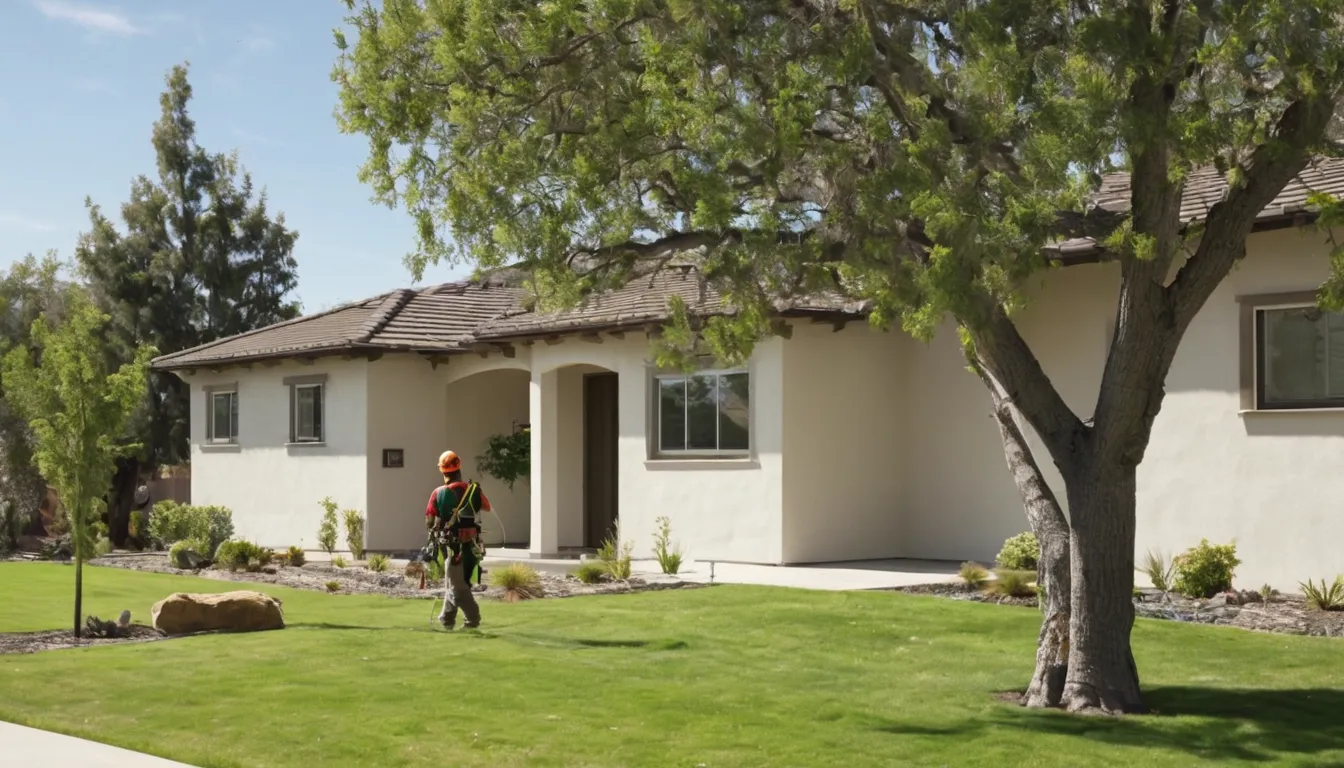
A tree is like an iceberg
What you see above the ground is only part of the story. The roots, the lean, the nearby roof and the power lines all shape how a removal goes. They shape the price too.
Scenecave Tree Service is a referral service for homeowners in San Bernardino, CA and the San Bernardino area. Scenecave Tree Service does not cut, climb or haul anything. It connects you with independent providers in our network who handle tree removal, emergency tree removal and stump grinding.
Here is why that matters. Tree work is priced by the job, not by a flat rate. A small tree in an open back yard may cost a few hundred dollars. A tall tree leaning over a house can run into the thousands. Typical U.S. ranges are wide because every yard is different, so a written quote is the only way to learn your real number.
If a limb is down or a trunk is cracked, request a callback to check provider availability. Many providers can respond quickly when a tree threatens a home.
Get Started
Not in a hurry? Use the request form and compare what providers send back. There is no obligation.
How It Works
How a referral works
Think of Scenecave Tree Service as a switchboard in a busy office. You say what you need, and the switchboard points you to the right desk. You describe your tree, and the details go to independent providers in our network. They contact you, look at the job and send a written quote. You choose. The provider does the work, not Scenecave Tree Service.
Why prices differ so much
Pricing works like a taxi fare. Distance and traffic change the total, and tree work has its own version of both. Height, trunk width, how close the tree is to a house or wire, and whether a crane or bucket truck is needed all push the number up or down. Typical U.S. ranges run from a few hundred dollars for a small tree to several thousand for a large, hard-to-reach one. Hauling, wood chipping and stump grinding are sometimes priced separately, so ask what the quote includes.
Older homes ask for more care
A house built decades ago is like an old sweater. It still does its job, but the stitching has history. Many bungalows and tract homes from the 1950s to the 1980s have aging roofing, past patch repairs, and old fences or sheds tucked close to big trees. Roots may have crept under slabs or old drain lines. A careful provider looks for these hidden spots before a cut is made.
Before you request an estimate
A few details help providers quote accurately:
- Photos of the tree from two sides
- Where it stands compared with the house, fence and wires
- Whether the tree is alive, dying or already down
- Whether you want the stump ground out too
Serving San Bernardino and Nearby
The providers in our network work across San Bernardino and the San Bernardino area, from older neighborhoods with mature trees to newer streets where young trees have grown tall. Local weather shapes what they see. Long dry seasons leave trees stressed and brittle, so dead limbs can drop with little warning. Winter rain events soften the soil, and a heavy tree can tip when its roots lose their grip. That is when requests for storm tree clearance and tree falling service tend to climb.
Wildfire smoke seasons bring another kind of job: clearing dead or overgrown trees near homes. Near the coast, mild temperatures keep trees growing most of the year, so they can outgrow their spots faster than you expect.
The housing mix matters too. Stucco ranch homes on slabs have roots working close to the foundation. Raised foundations and older bungalows can have tight side yards, which affects how a provider gets equipment in. Tract homes from the 1950s to the 1980s often have trees planted when the lot was new, and those trees are now very large.
Get Started
Send a request with your neighborhood and a few photos, and providers can quote what your yard needs.
Helpful Tree Facts for Homeowners
What counts as an emergency
A tree is an emergency when it has fallen on a house, blocks a driveway, or hangs over a roof or wire. Think of a smoke alarm: you do not wait to see if the noise stops. Stay clear, keep others away, and request a callback to check provider availability for emergency tree removal.
Storm tree clearance after winter rain
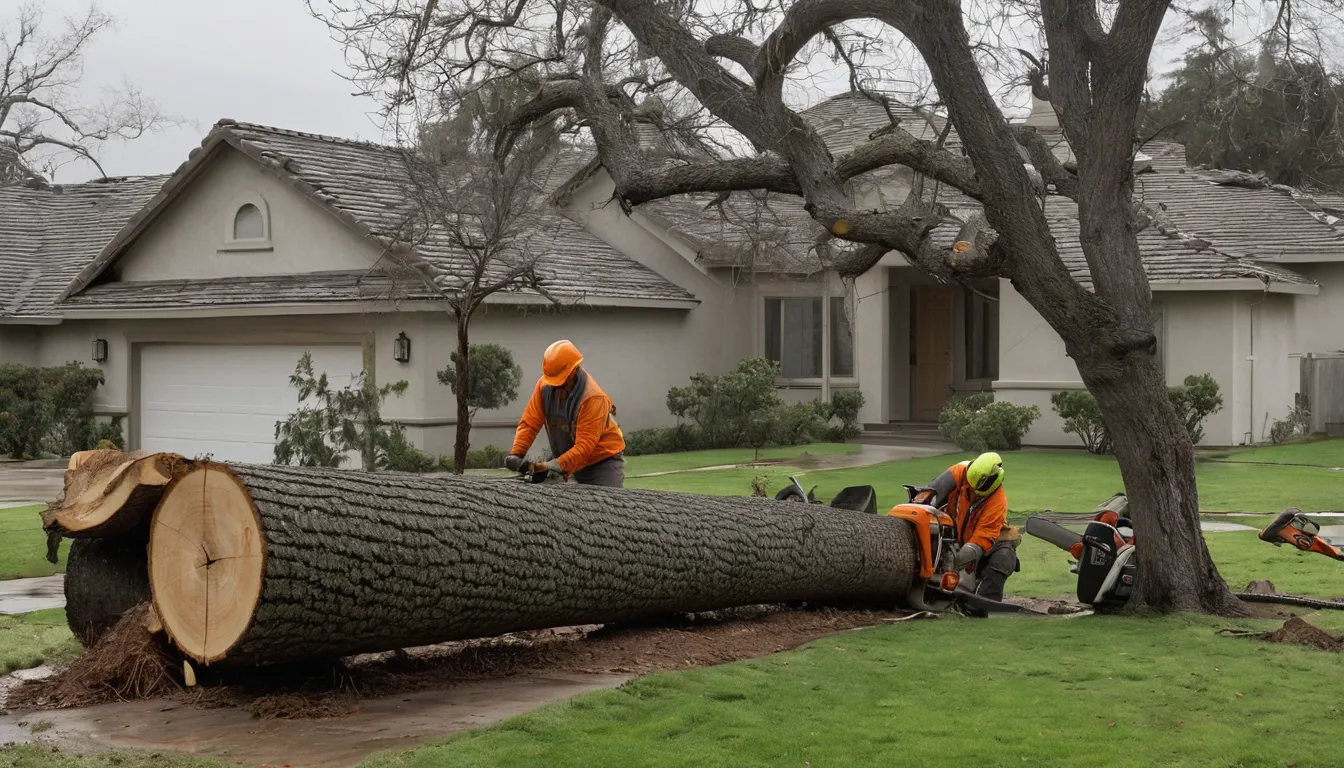
Soil soaked by a big rain is like a wet sponge holding a toothpick. The roots cannot grip as they should. Providers doing storm tree clearance usually cut a fallen trunk in sections so nothing else shifts. Take photos before anything is moved, since providers can often help document damage for a claim.
Dry seasons and smoke
A tree in a long dry season is like a person who skipped water. Leaves thin out and branches dry and crack. If a tree looks dead before smoke season, a planned removal is calmer than a rushed one. Providers can also advise on clearing dead wood near your home.
How a tree falling service works
Taking down a tall tree is like dismantling a tall bookshelf from the top. A provider removes limbs first, then the trunk in pieces. Open yards may allow a direct fell. Tight spaces need ropes and rigging. The method affects the price, which is why the quote should describe it.
Reading a written quote
A quote is like a recipe card that lists every ingredient. Look for the scope of work, cleanup, wood hauling, stump handling and the total. Typical U.S. ranges vary by job, so two quotes can differ for fair reasons. Compare what is included, not only the bottom line.
Stump grinding explained
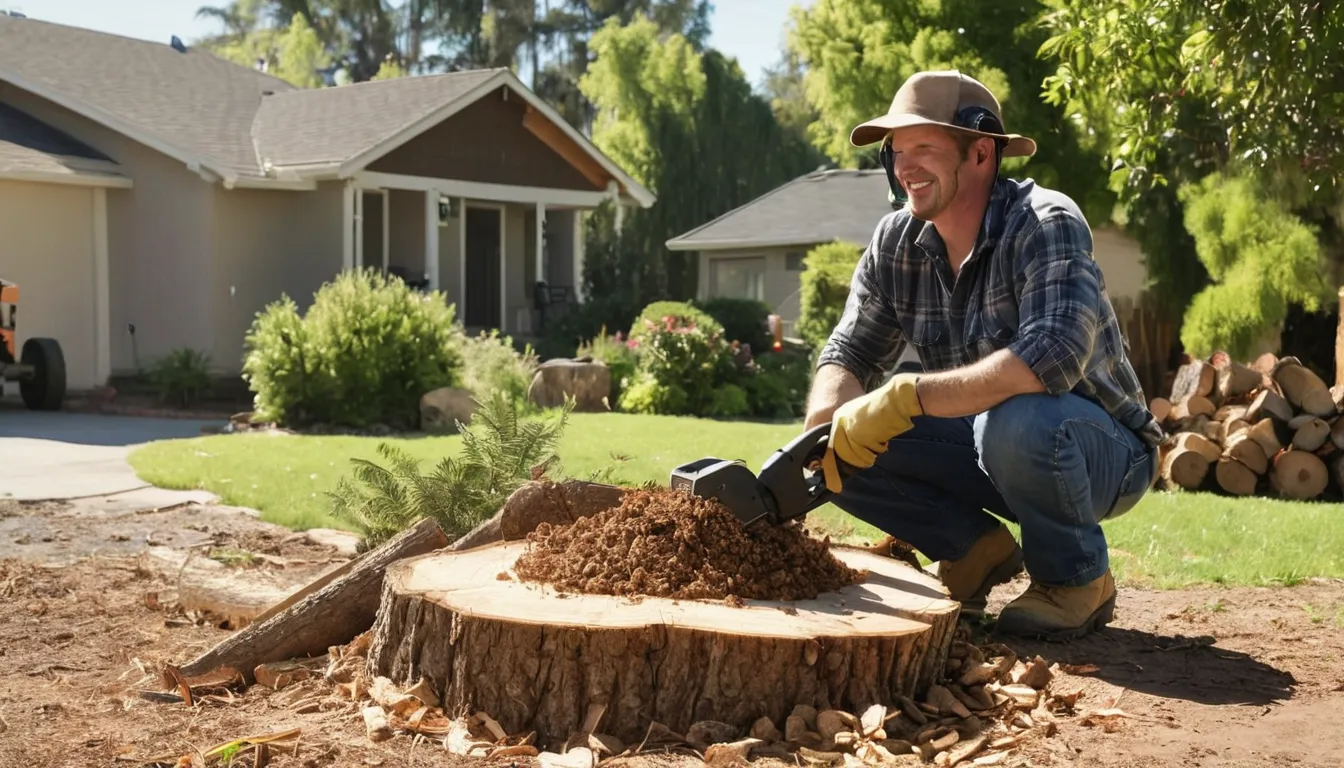
A stump is like a tooth with a long root. Grinding shaves it below the soil with a rotating cutter. Typical U.S. prices run from about a hundred to several hundred dollars per stump, depending on width and access. Roots can stay underground, so ask how deep the provider will grind.
Surprises in older homes
An older house is like a closet you have not cleaned in years. Things hide in it. Old clay sewer lines, buried irrigation, thin stucco near the roofline or a patched slab may sit near the tree. Tell providers about past repairs so they can plan around them.
Checking your policy
Some policies may cover sudden damage from a fallen tree; check your policy. Removing a healthy tree you simply dislike is usually not covered. Ask your insurer before work starts, and keep your photos and the written quote.
Request Your Estimate
Ready to talk about your tree? Reach out, and a provider in our network can look at the job and send a written quote. Tell us where the tree stands, how big it is, and whether it is down or still standing. If it is urgent, request a callback to check provider availability. You can also email contact@scenecave.property. Scenecave Tree Service only makes the introduction, so the quote, schedule and work come from the provider.
Get Started